
HYDRO STATIC POWER GENERATION - MECHANISM DIAGRAMS
DIAGRAMMATIC REPRESENTATION OF THE DEVICE
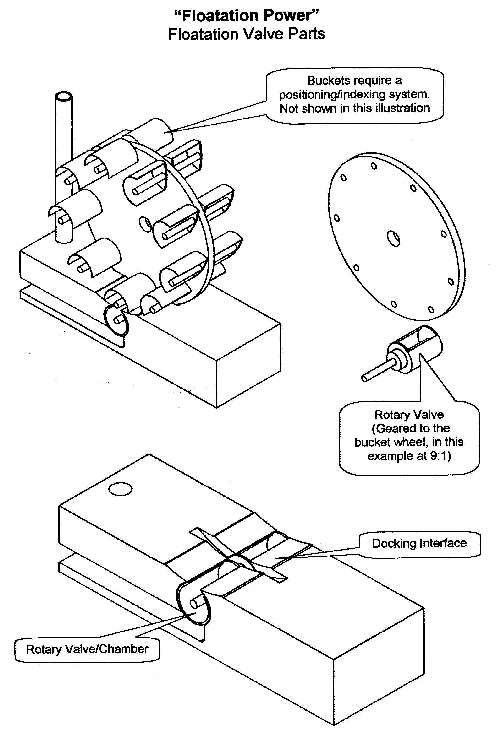
This series of stage by stage figures together with their descriptions demonstrate the operating principals of the floatation device, from the supply of air (at atmospheric pressure) to the discharge of water.
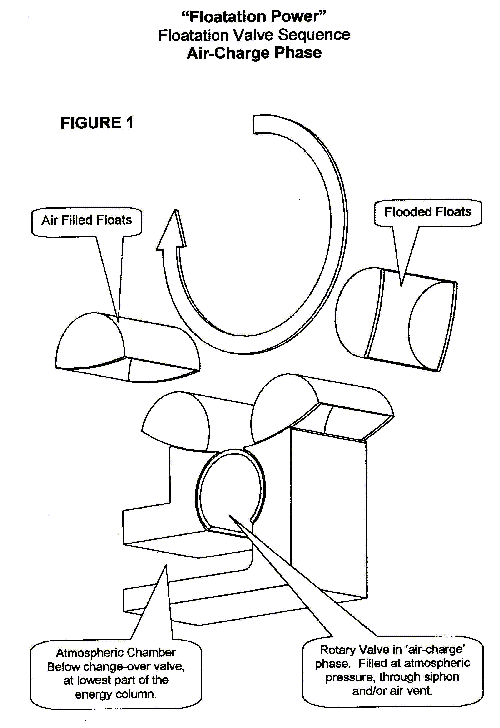
FIGURE 1
The rotating valve in “Air Change” phase, charged with air at atmospheric pressure - via the surface air vent and atmospheric chamber.
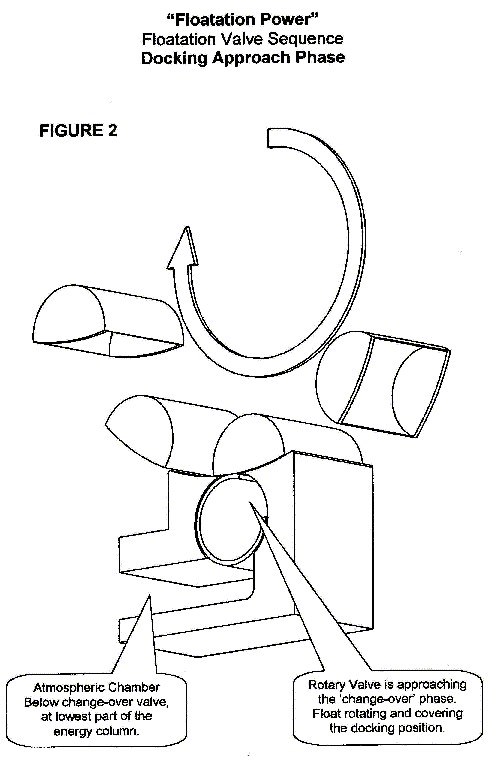
FIGURE 2
The rotary valve is approaching the “change over” phase while the float is rotating to cover the docking position.
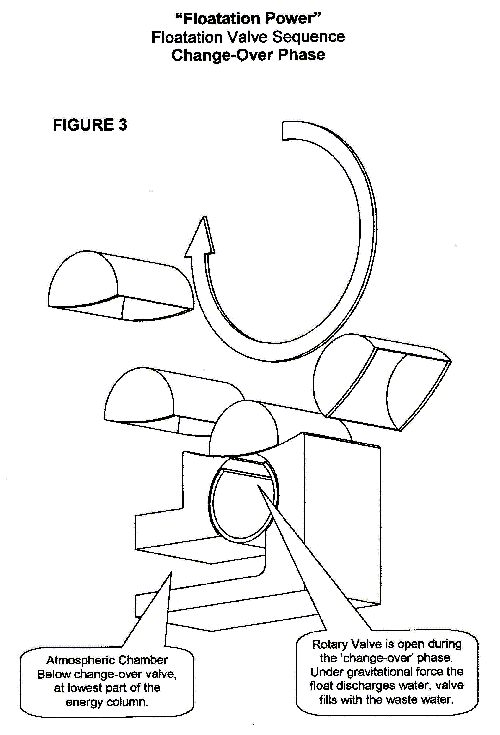
FIGURE 3
The rotary valve is opened during the “change over” phase - under gravitational force the float discharges the water contained within it into the rotating valve and is charged with air from the valve.
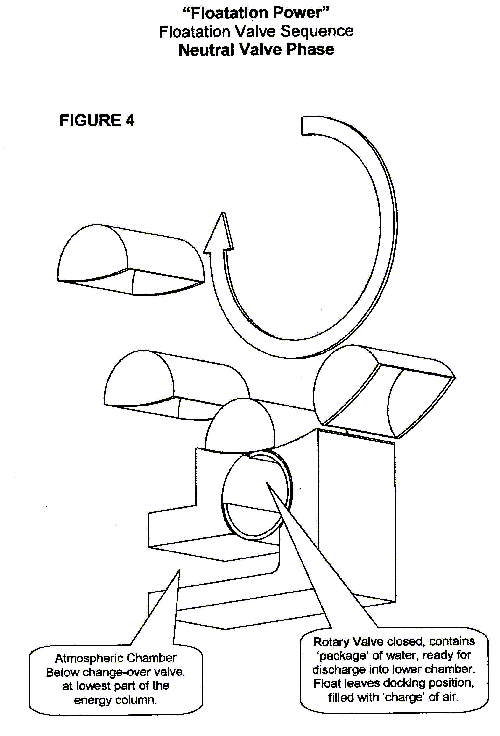
FIGURE 4
The rotary valve closes containing the package of water and the charged float leaves the docking position.
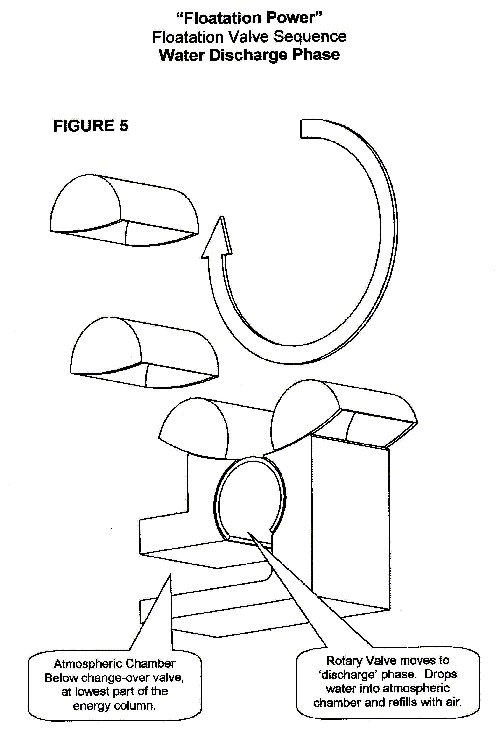
FIGURE 5
The rotary valve moves to the “discharge” phase dropping its contents of water into the atmospheric chamber for disposal and recharged with air.
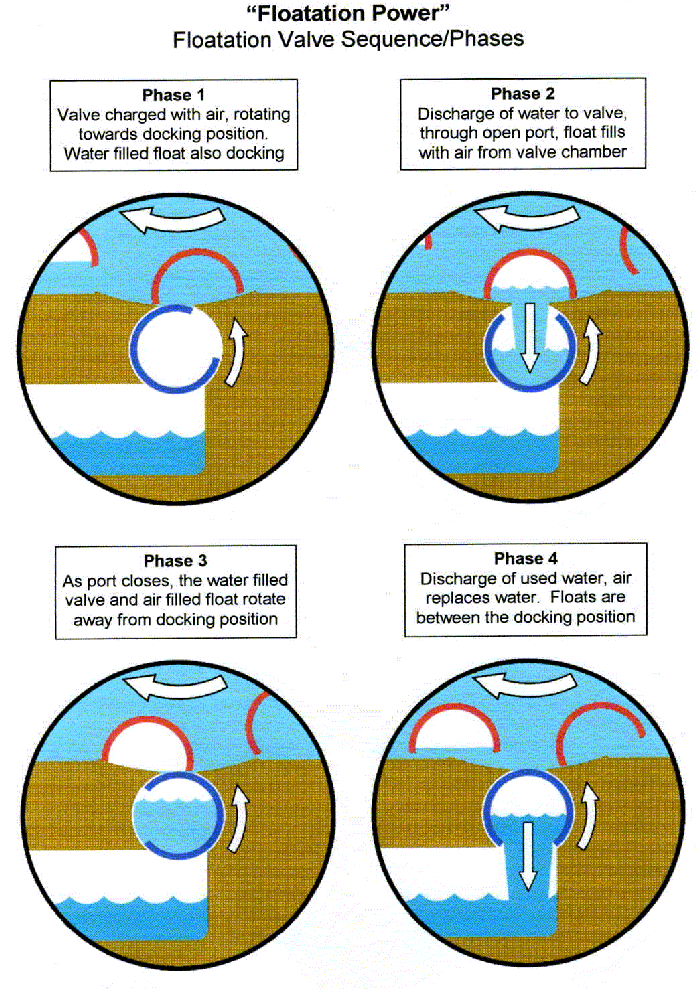
FIGURE 6
Diagram indicating the detailed operating sequence of the rotary valve as it moves through the float “charge” and “discharge” phases.
Air being supplied at atmospheric pressure to the chamber via the vent stack from the surface and excess water being discharged from the chamber downstream by gravity.

Website
© Andrew Bootman